Tatoo Removal袪紋身
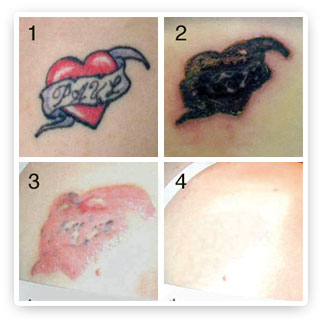
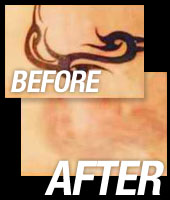
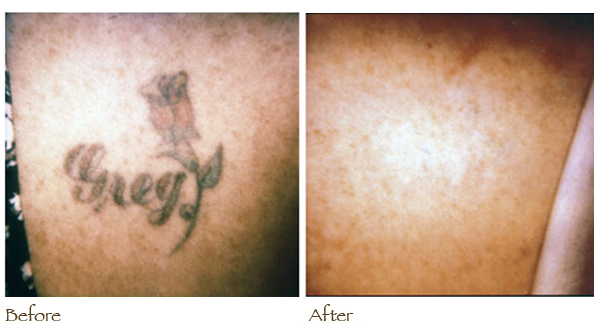
A tattoo used to be a permanent and irreversible adornment to one's skin. However, in recent years dermasurgeons have developed safe and effective techniques to successfully remove unwanted tattoos.
Patients request removal of a tattoo for a variety of reasons — social, cultural or physical. Some patients develop an allergic reaction to a tattoo several years after the initial application. Because each tattoo is unique, removal techniques must be tailored to suit each individual case. For instance, professionally applied tattoos tend to penetrate the deeper layers of the skin at uniform levels. This uniformity allows dermasurgeons to use techniques that remove broader areas of inked skin at the same depth.
Homemade tattoos are often applied with an uneven hand and their removal may be more difficult. Deeper blue and black ink colors are particularly difficult to remove. Professional tattoos made with some of the newer inks and pastel colors may also be difficult to remove entirely.
Removing Tatoos
Tattoos can be removed by a dermasurgeon on an outpatient basis with local anesthesia. The most common techniques used are:
Laser
surgery
The surgeon removes the tattoo by selectively treating the pigment colors with
a high-intensity
laser beam. Lasers have become the standard treatment because they
offer a "bloodless," low risk, highly effective approach with minimal side
effects. The type of laser used generally depends upon the pigment colors. In
many cases, multiple treatments may be required.
Dermabrasion
The surgeon "sands" the skin, removing the surface and middle layers of the
tattoo. The combination of surgical and dressing techniques helps to raise and
absorb the tattoo inks. View the dermabrasion fact
sheet for more information.
Surgical
excision
The surgeon removes the tattoo with a scalpel and closes the wound with
stitches. This technique proves highly effective in removing some tattoos and
allows the surgeon to excise inked areas with great control.
Are there side effects or complications?
Side effects are generally minor, but may include skin discoloration at the treatment site, infection of the tattoo site, lack of complete pigment removal, or some scarring. A raised or thickened scar may appear three to six months after the tattoo is removed.