

Candela Gentle LASE & Mini Gentle LASE 雷射永久除毛

The GentleLASE 755 nm alexandrite laser is Candela's premier hair removal laser, treating quickly, comfortably and effectively. GentleLASE lasers are also versatile, capable of treating pigmented and vascular lesions and wrinkles. And only Candela lasers feature the Dynamic Cooling Device (DCD™) to maximize patient safety and comfort.
The new GentleLASE is smaller, faster and more versatile than ever - provides permanent hair reduction for all skin types and treatment capabilities for pigmented and vascular lesions, and wrinkles. The new GentleLASE is:
Hair Removal


Pigmented Lesions


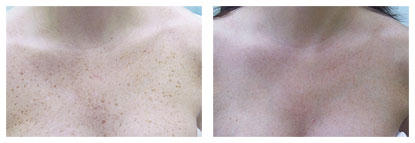
Vascular


Wrinkles

What
is the Candela GentleLASE laser and why is it a safe treatment?
Lasers have been used for many years for a variety of medical cosmetic
procedures including treatment of facial and leg veins, age spots and
rejuvenating the skin on the face. The GentleLASE System, a revolutionary
long-pulse high energy alexandrite laser emits a gentle beam of light that
passes through the skin to the hair follicle where it is absorbed. The laser
energy is transformed into heat, which destroys the hair follicle leaving the
surrounding skin unaffected. The skin is further protected during treatment by a
Dynamic Cooling DeviceTM where cryogen is sprayed onto the skin cooling the
upper layers and providing patients with increased comfort.
What
conditions are treated with the GentleLASE?
Traditional hair removal techniques, such as shaving, plucking, waxing and
depilatory creams provide only temporary relief. Until now, the only recognized
way to remove hair permanently has been by electrolysis - which can be tedious,
time-consuming and uncomfortable. The GentleLASE System safely removes unwanted
body hair without damaging the delicate pores and structures of the skin. Facial
and bikini areas are usually completed in under ten minutes; legs, backs and
larger areas can take longer.
What
does the treatment include?
Depending on the amount of hair treated, the procedure varies from patient to
patient. Generally, the treatment will include: Wearing safety eyewear to
protect the practitioner and patient's eyes from the laser light during the
procedure. A small handpiece Will be used that touches the skin to deliver the
laser light. A light spray of coolant onto the skin will be felt just before
each laser pulse. A test area will be done prior to the entire treatment. Your
full treatment may be done on the same day or up to two weeks later, depending
on the skin reaction. Most patients experience little discomfort at the
treatment site because of the dynamic cooling device. The degree of discomfort
varies with each person, depending on his/her pain threshold. Topical anesthesia
may also be requested based on individual preferences or tolerances. Be sure to
discuss this with your practitioner in advance of the laser treatment. The
procedure can take as little as 10 minutes or up to an hour, depending on the
area treatment. The treated area may become pink or red within 30 minutes of
treatment; this may last from a few hours to several days and is relieved with
the application of ice or cooling gels.
What
precautions should be taken before and after treatment?
Avoid the sun 4-6 weeks before and after treatment or until your practitioner
allows it. You must avoid electrolysis, plucking or waxing hair for 6 weeks
prior to treatment. If you have had a history of per ioral herpes, prophylactic
antiviral therapy may be prescribed. If you have a dark skin type, a bleaching
cream may be started 4-6 weeks before treatment to optimize results. You should
discuss your desired results and the improvements you expect to achieve with
your practitioner. Together you can decide if your expectations will be met and
if this laser treatment is the best option.
How
many treatments will I need?
Hair grows in cycles. The number of treatments required depends upon your skin
color and coarseness of the hair. Everyone will require at least 2-3 treatments
as the process is only effective on hair during the early growing cycle. Repeat
sessions will be necessary to treat these follicles when they re-enter the early
growth phase. Is this procedure covered by insurance? Most insurance companies
do not offer reimbursement for cosmetic procedures. However, consult with your
insurance carrier for more information.