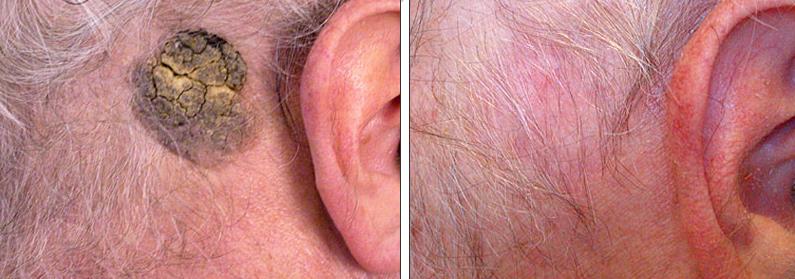
Basal Cell Papilloma (Seborrhoeic Keratosis)基底細胞乳頭狀瘤
Summary
What Causes Basal Cell Papilloma?
The tendency to develop Basal Cell Papillomas is often inherited and they seem to be made worse by exposure to sunlight.
What Is A Basal Cell Papilloma?
A Basal Cell Papilloma is a stack of newly formed skin cells that are failing to mature. New skin cells are brown because they have melanin within them and should, over 30 days, mature into flat, white flakes that fall off the surface of the skin.
What Will Happen To Basal Cell Papilloma?
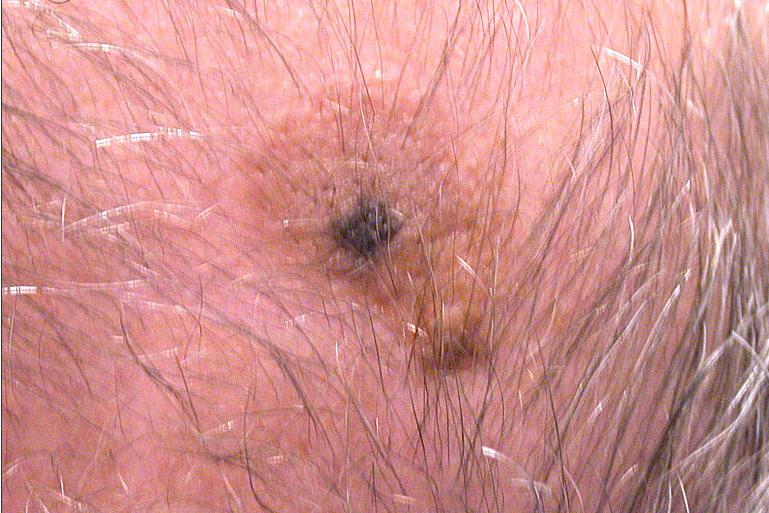
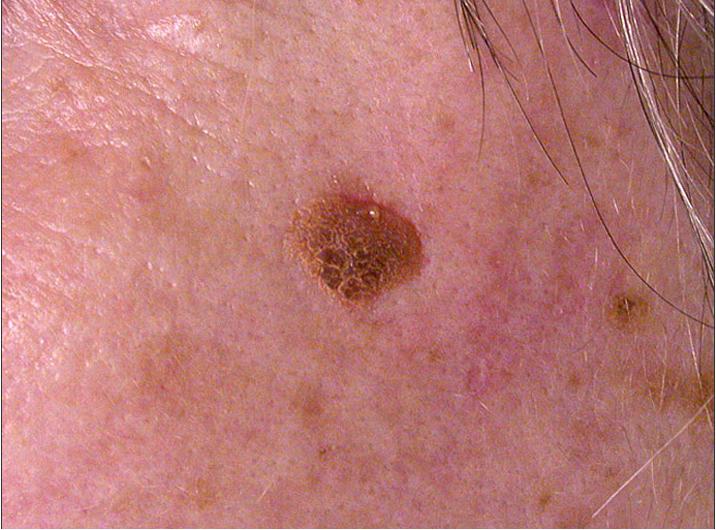
Basal Cell Papillomas usually start appearing in the thirties as small, flat brown dots. As the years go by, more appear and they gradually become thicker and more wart-like in their appearance. Although bits may fall off, they do not usually go away without treatment but fortunately never turn into skin cancers. At sites of friction, the neck, under the arms and the groin, the form tags. On the face, Basal Cell Papillomas are often flat.
How Can Basal Cell Papilloma Be Treated?
Basal Cell Papillomas can be removed curettage, usually leaving an excellent cosmetic result. If removed, they rarely grow back. Some doctors freeze them with liquid nitrogen (cryotherapy). This is more prone to leave a white mark.
How Can Basal Cell Papilloma Be Prevented?
The propensity to develop Basal Cell Papilloma can be reduced by using sunscreens or clothes to reduce the skin's exposure to ultraviolet light.
|
|
Before After
 |
 |
 |
 |